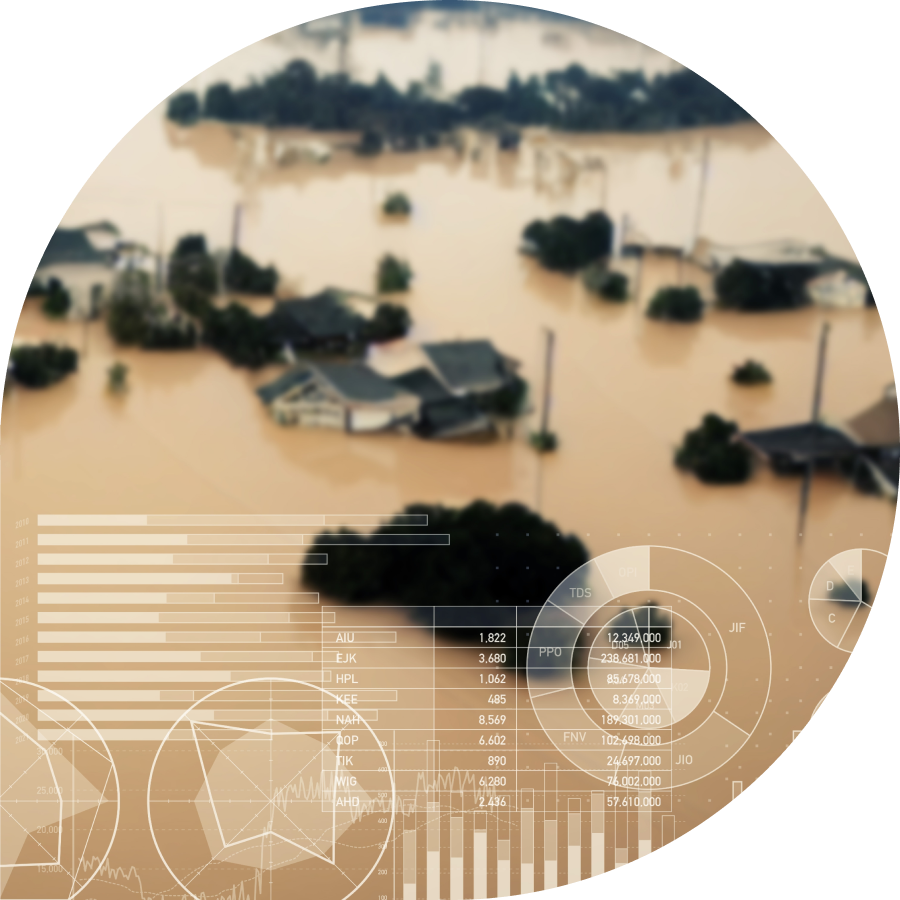
Make better decisions sooner.
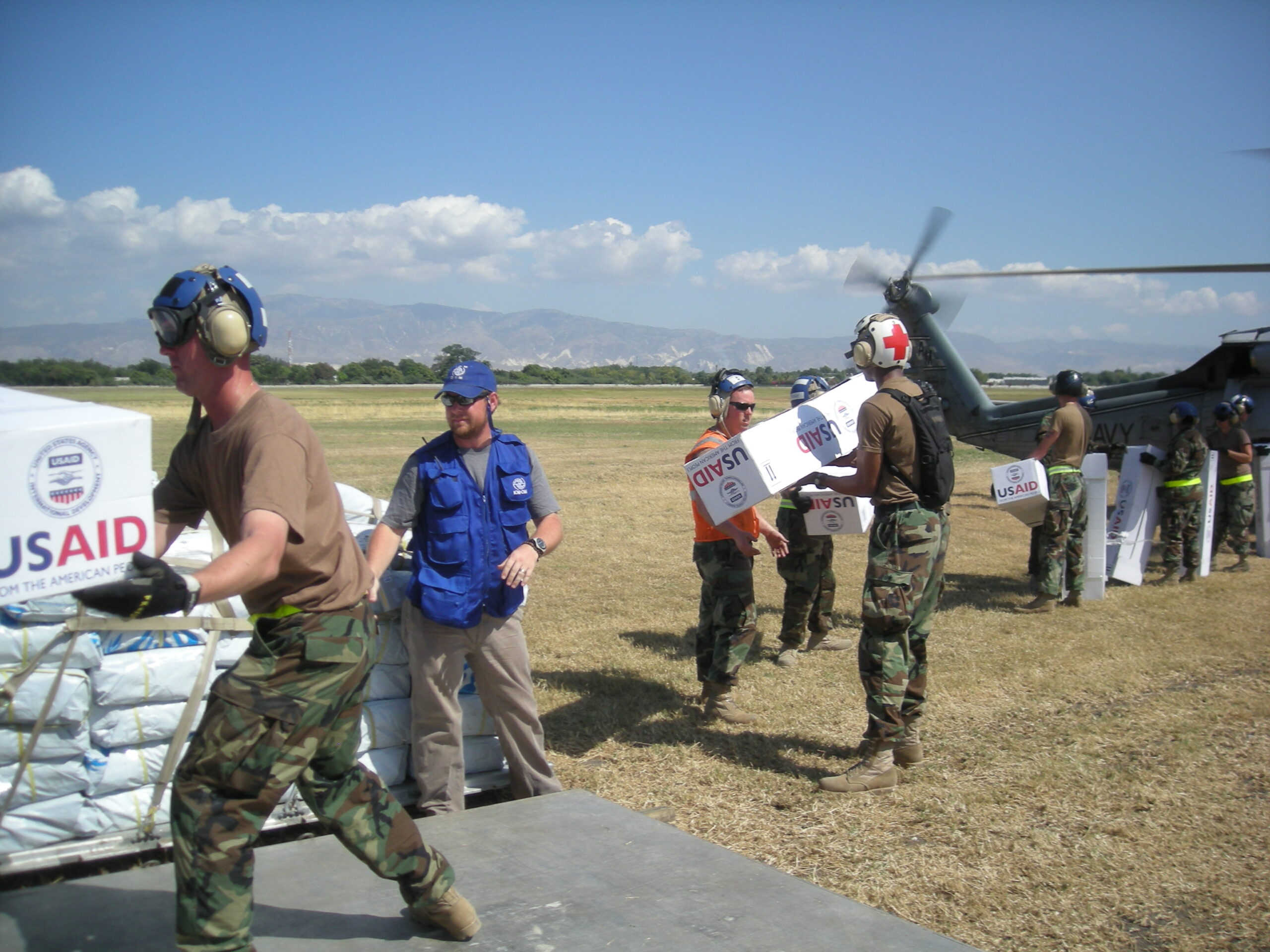
Make better decisions sooner.
Organisations already generate signals about what is happening around them. They sit in programme data, transactions, conversations, service requests, weather feeds, sensors, markets and external datasets.
Humanity Link helps bring those signals together to identify patterns, forecast changing needs and support earlier decisions.
Predictive intelligence is not about pretending to know the future. It is about recognising change sooner, understanding where attention may be needed and giving teams better information while there is still time to act.
The useful signal rarely lives in one place
Operational data
Registrations, service usage, transactions, stock, programme activity and historical trends can show how operations are changing over time.

Human signals
Questions, feedback, surveys, field reports and conversations can reveal what people are experiencing before it appears in formal reporting.

External conditions
Weather, environmental, market, geospatial, public and sensor data can add context to what an organisation is already seeing internally.
Turn signals into foresight
Prediction becomes useful when it answers a question an organisation can actually do something about. Different questions require different models, data and levels of confidence.
Forecast demand
Use historical patterns, seasonality and changing conditions to anticipate where services, staffing, stock or programme resources may be needed next.
Detect unusual change
Identify changes that move outside expected patterns in demand, participation, transactions, service requests or other operational signals.
Build early warning
Combine changing data, thresholds and forecasts to identify conditions that may require attention before they become more difficult to manage.
Explore scenarios
Use modelling and historical evidence to explore how changing assumptions or external conditions could affect demand, resources or operations.
The question comes first. The model comes second.

The question comes first. The model comes second.
There is no single predictive model that fits every problem.
Time-series forecasting can identify recurring patterns, seasonality and likely future demand. Anomaly detection can surface changes outside expected behaviour. Geospatial analysis can show where conditions are changing. Natural-language analysis can identify emerging themes across questions, feedback and conversations.
External datasets and sensors can add environmental, market or real-time signals.
The technology should follow the operational question, not the other way around.
From insight to action
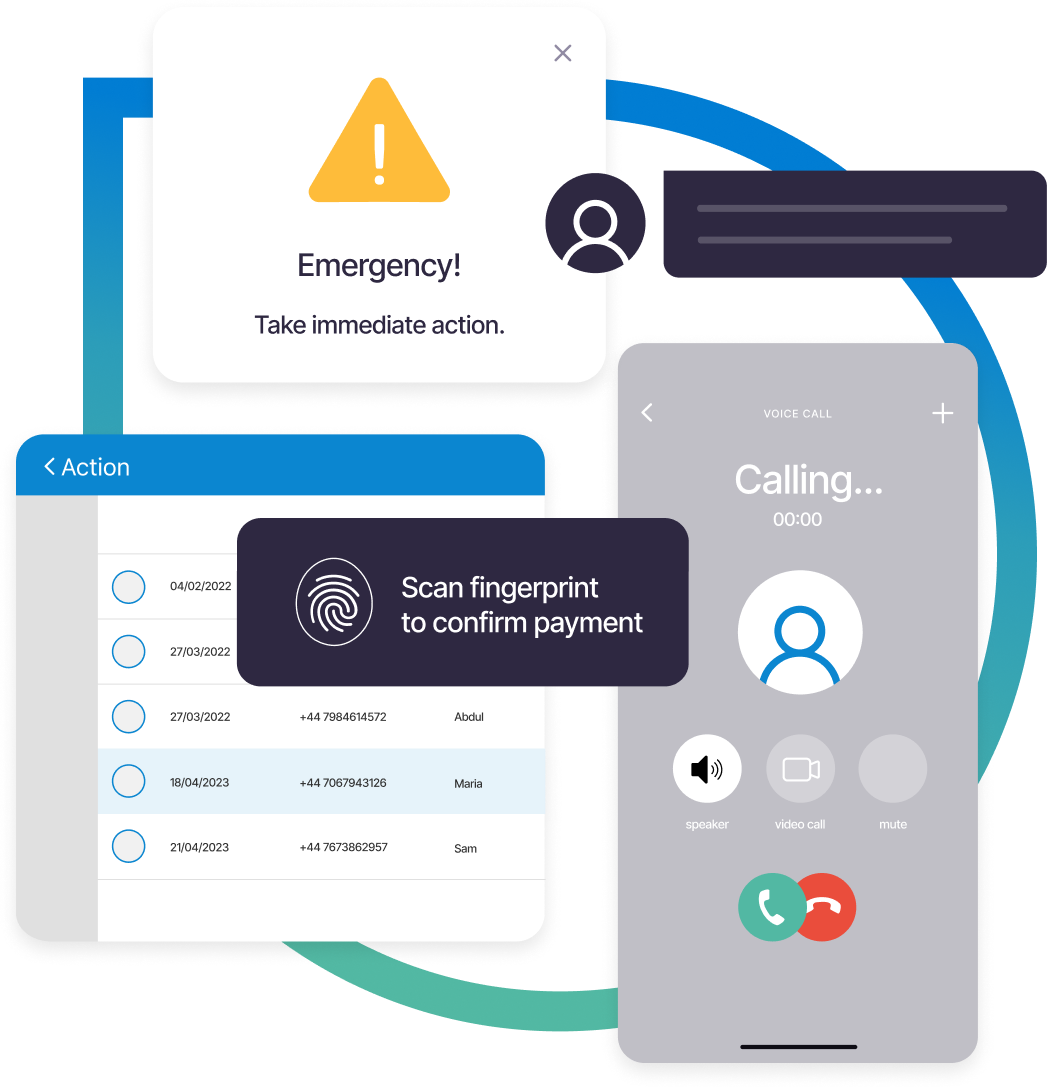
A forecast or alert has little value if it ends in another dashboard. Humanity Link can connect predictive signals with the communication and operational systems organisations already use so insight can lead to action.

Alert the right team
Route important changes to the people responsible for reviewing them rather than expecting teams to continuously monitor dashboards.
Communicate earlier
Use relevant signals to trigger targeted information or warnings through WhatsApp, SMS, voice and other communication channels.
Trigger operational workflows
Connect an alert with reviews, assessments, escalations, registrations or other predefined operational processes.
Move resources sooner
Give teams more time to adjust staffing, stock, outreach, service capacity or other resources before demand reaches its peak.
Predictive intelligence already in practice
Humanity Link has already applied data, reporting and AI-supported analysis to real operational problems. These examples show different ways prediction, verification and real-time information can support earlier decisions.
Health
Disease Surveillance
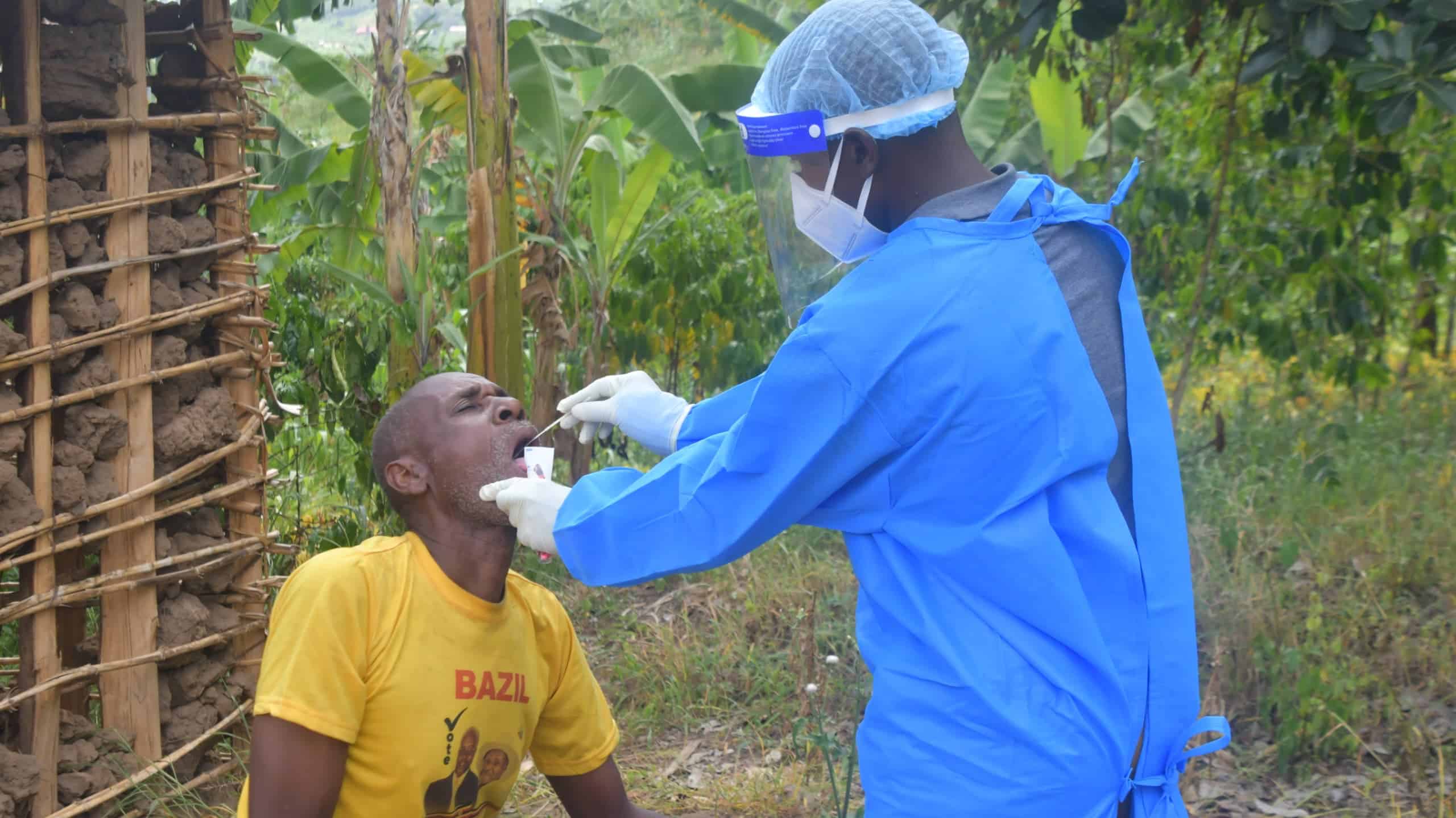
Identify unusual clusters and emerging health signals from community reports, surveys and operational information.
Verification
Ground Truthing
Combine predictive signals with information directly from people on the ground to verify what is actually happening before decisions are made.
Early warning
AI Early Warning Systems
Bring together predictive information, field reporting and community feedback to identify emerging risks and support earlier action.
Real-time data
Alert and Assessment
Collect changing conditions from the field and visualise incoming information so teams can understand where attention is needed.
Prediction should inform judgement, not replace it.
Prediction should inform judgement, not replace it.
A prediction is an assessment based on the information available. It is not a statement of certainty.
Where predictive outputs influence important decisions, teams should be able to understand what information contributed to the signal, where uncertainty remains and what may be missing.
Humanity Link’s approach is to use AI and predictive systems to make patterns and possible futures more visible while keeping people responsible for decisions that require context, judgement and accountability.
Local knowledge and direct feedback remain an important part of verifying what the data appears to show.
FAQs
Not every use case requires the same volume of data. The appropriate approach depends on the question, the quality and history of the available information and whether useful external datasets can supplement an organisation’s own data.
Yes. Predictive applications can combine relevant operational information with external sources such as weather, environmental, market, geospatial, public or sensor data where those sources are available and appropriate.
Early warning is one application of predictive intelligence. Changing data, thresholds and models can identify conditions requiring attention, while Humanity Link’s communication and workflow infrastructure can help turn that signal into an operational response.
The level of automation should depend on the use case. Predictive outputs can support dashboards, alerts, recommendations or automated workflows, while important decisions can remain subject to human review and organisational controls.
Yes. Where appropriate, natural-language analysis can help identify patterns and emerging themes in questions, feedback and other communication data alongside structured operational information.