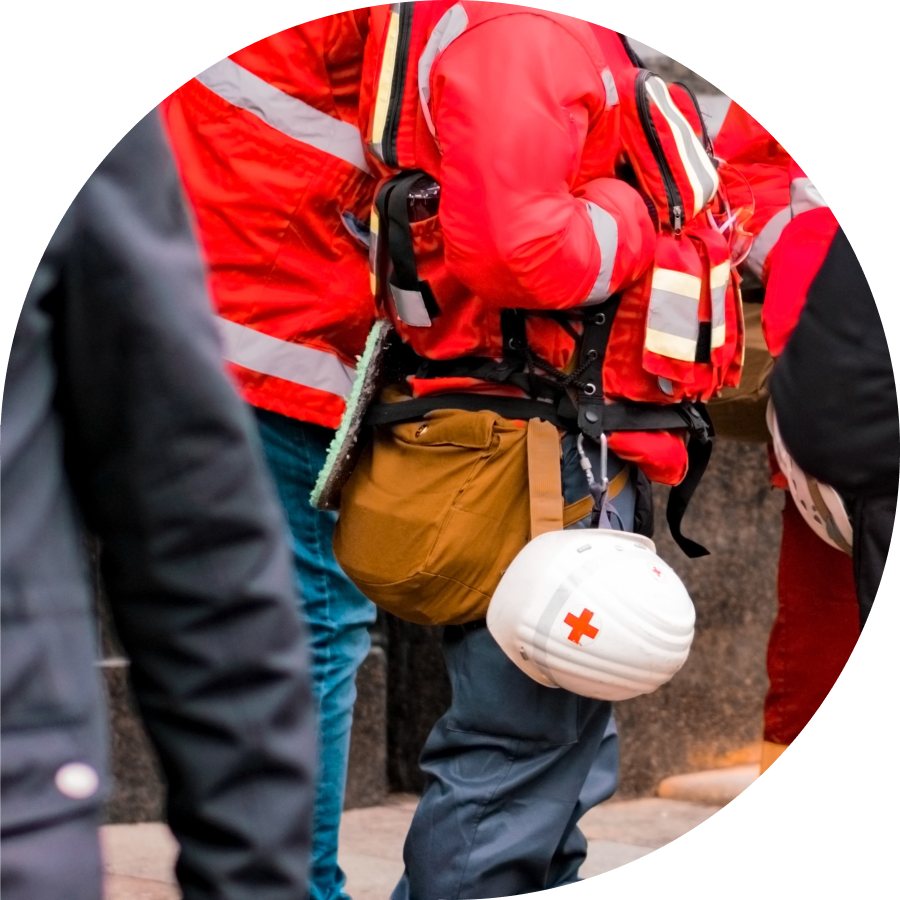
Disaster ready communications

Disaster ready communications
Humanity Link gives organisations the communication infrastructure to stay connected with people before, during and after a disaster.
Reach people quickly through familiar channels. Give them a way to respond. Understand what is happening across affected communities. And connect people with information, services or support as conditions change.
The same infrastructure used during normal operations can become critical when demand suddenly increases and teams need to act quickly.
Stay connected when normal operations are under pressure
Disasters create sudden information gaps at exactly the moment people and organisations need clarity. Humanity Link helps keep communication direct, two-way and operational as conditions change.
Reach people quickly
Send targeted alerts, updates and instructions through WhatsApp, SMS, voice and other channels people already know how to use.
Keep communication two-way
Let people ask questions, report changing conditions, request support and confirm whether information or assistance has reached them.
Manage sudden demand
Use automation, triage and staff-supported conversations to handle rapid increases in questions, registrations and requests without losing visibility.
Connect people to the next step
Move from information to action by connecting conversations with registration, referrals, appointments, assessments, services or financial support.
The best disaster response system is already there before the disaster.
The best disaster response system is already there before the disaster.
A communication system should not have to be invented after something goes wrong.
The WhatsApp number, SMS channel or helpdesk people already use can become the trusted place they return to when a flood, storm, displacement, disease outbreak or other disruption changes their circumstances.
Organisations can prepare templates, contact groups, escalation pathways, registration processes and integrations in advance, while continuing to use the same infrastructure during everyday operations.
When conditions change, the system is already familiar to both staff and the people using it.
One operational layer when demand spikes
During a disaster, communication, registration, assessment and support often happen at the same time. EmpowerLink can connect those interactions so teams have one operational view rather than separate channels and spreadsheets.
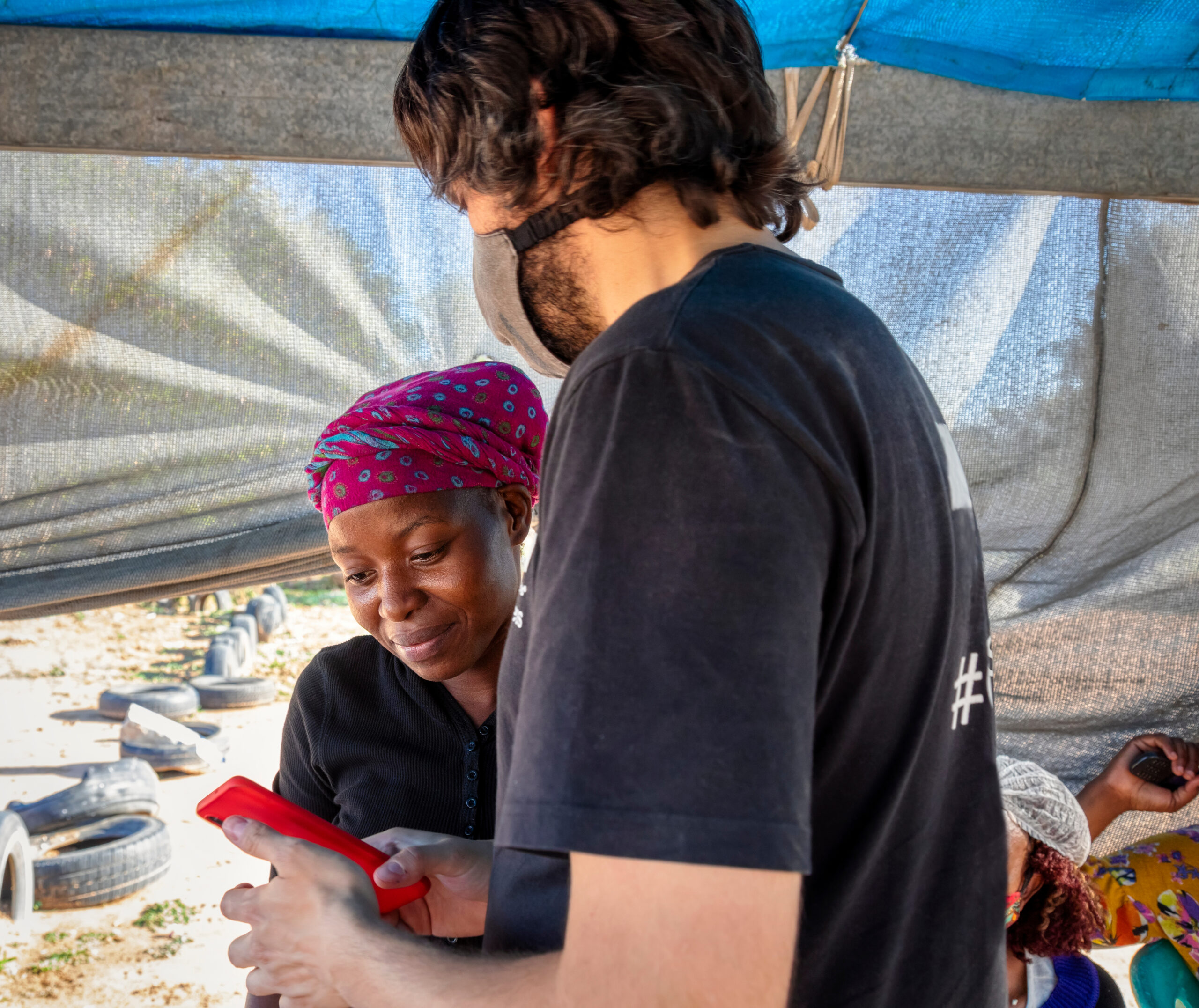
Alerts and information
Send location-specific updates, changing service information, safety messages and other time-sensitive communication.
Helpdesks and call centres
Combine automated answers with staff-supported conversations so routine questions are handled quickly and complex situations can be escalated.
Registration and assessment
Collect structured information directly from people and route it into operational systems for assessment, prioritisation and follow-up.
Connected workflows
Link conversations with CRM, case management, service, identity, logistics and other operational systems so information can move to the teams that need it.
From warning to action
Information matters most when it changes what happens next. Humanity Link can connect alerts and incoming information with the workflows an organisation uses to respond.
Early warning
Use thresholds, forecasts and incoming data to identify changing conditions and notify teams or communities earlier.
Rapid assessment
Gather information directly from affected people and local teams to understand what is changing and where attention is needed.
Referral and service access
Help people understand where services are available and move requests to the appropriate team, provider or partner.
Financial support
Where appropriate, connect registration and operational workflows with secure payment infrastructure for direct financial support.
See it in practice
Cash and Voucher Registration
View Use CaseGround Truthing
View Use CaseAI Early Warning Systems
View Use CaseAutomated Help Requests
View Use CaseDisaster response
No. One advantage of Humanity Link is that the same communication infrastructure can be used during normal operations and then scaled when a disaster or major disruption occurs. This means both teams and communities can already be familiar with the channels before they become critical.
Yes. Communication can be two-way. People can ask questions, report changing conditions, request assistance, register, complete assessments or be connected with staff and services.
Yes. Automation, structured workflows and staff-supported conversations can be combined to help organisations manage high volumes while escalating more complex or sensitive cases to people.
Yes. Humanity Link can connect communication and registration workflows with existing CRM, case-management, service, identity, payment and other operational systems where appropriate.
Yes. Early-warning signals can be connected to communication and operational workflows. Humanity Link can also support more advanced forecasting and predictive approaches through its Predictive Intelligence capabilities.